

A conversion to black and white in photography should add something to the image through the process of colour subtraction. This image is a great example of this - the removal of any colour has stripped the photograph back to shape and form. The image is dramatically divided in equal parts between light and dark, the longhorn sheep perfectly silhouetted against the light sky, its position on the cliff perfect in every way. I love the fact that the photographer has retained some detail and texture in the sky, using a lighter portion of cloud to highlight the outline of the sheep. Black and white photography at its best.


Black and white photography is all about shape, form, and texture. As a rule, the more simple the subject, then the more effective the image, and this photograph is a great example of that. The photographer has combined simple shapes with contrasting tones to create a very strong image, the viewer's focus falling immediately upon the silhouette of the lizard. But there is so much more to enjoy from this image as you cast your eyes around the frame; the veins and detail in the back-lit leaf are a delight, offset beautifully against a black background to avoid any distraction. So simple, but so effective - the power of black and white revealed.


1,581 Images entered
497 Photographers
Meet the expert judge


Brief
See more contest details
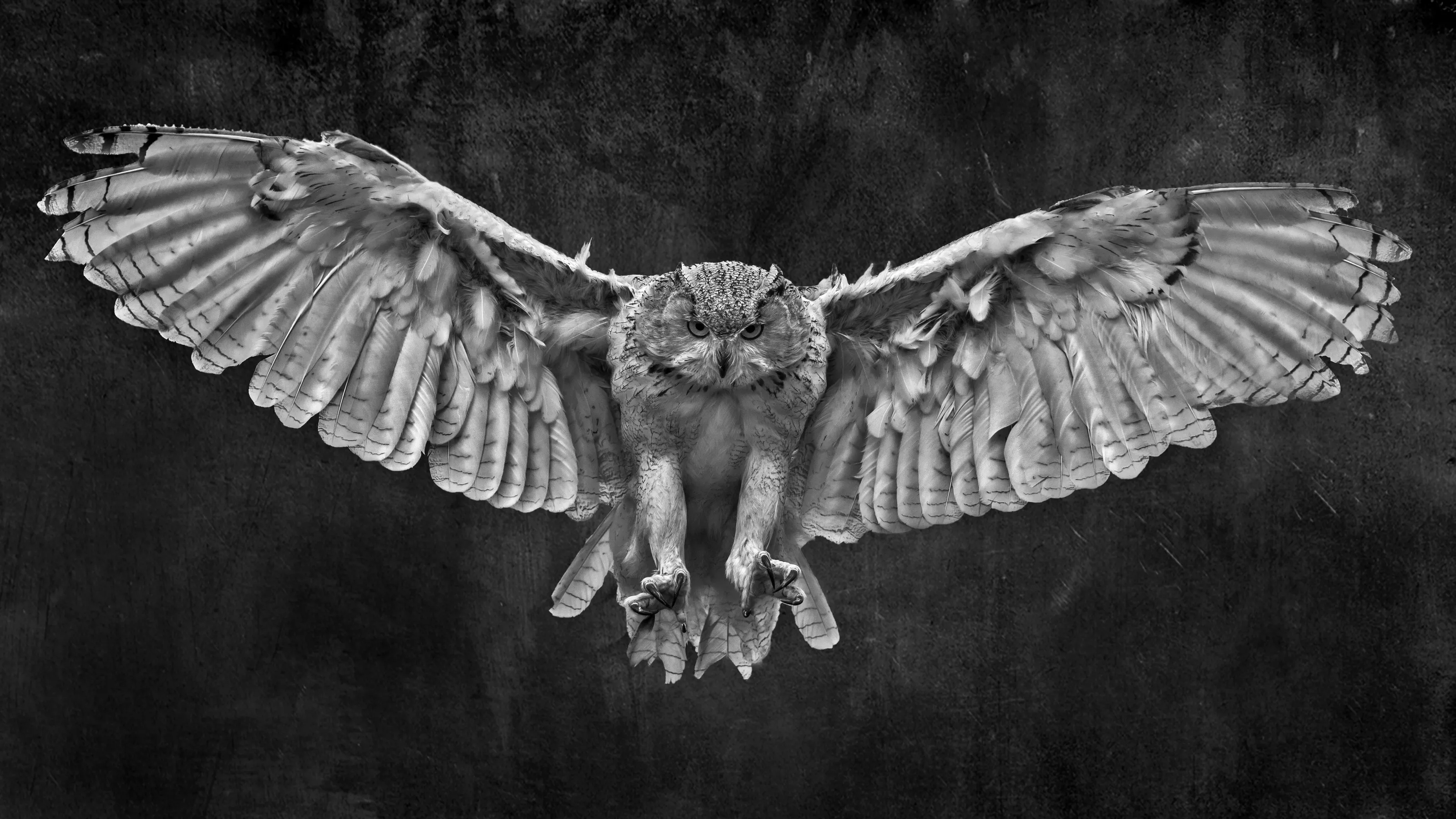
**This contest is open to photographers ranked between 251 and 1000 in this week’s <a href="https://www.photocrowd.com/photographer-community/">Leaderboard</a>.** Animals are often defined and instantly recognised by their colours, which makes it interesting to show them from time to time purely in black and white. It can focus attention more on their behaviour, their expressions, the form of their bodies, and their surrounding habitat. Some colour toning of imagery is fine in this contest, as long as the image remains monotone, and the definition of wildlife excludes any domesticated animals or those in a farmed environment.

