

Part of the reason to shoot a close-up portrait is to strip away context and focus attention on the personality of the subject. If the photographer chooses to include more of the setting this must compliment the subject. In this case the lack of eye contact means the image fails to draw the viewer into the frame, while there is too much detail in the background to serve as a distraction. Using a wider aperture would have helped with the latter issue, but a tighter composition on the face would be needed to hold viewer attention.

When zooming in tight on a subject we are excluding extraneous detail, which helps focus the viewer on the key areas of the frame. We must not forget the core rules of composition however. The eyes fall too close to the centre of the frame in this image, while the mouth is placed uncomfortably close to the bottom edge. This may have been an attempt to experiment with composition, but whenever attempting this it is critical to make the effect appear intentional.


Another example of when close-up can refer to distance between the camera and subject, instead of overall frame proportions. The composition of this image retains an intimate feel with the subject, through direct eye contact, while showing more of the environmental setting. This creates a better story, giving the viewer a more detailed glimpse into the subject's world.


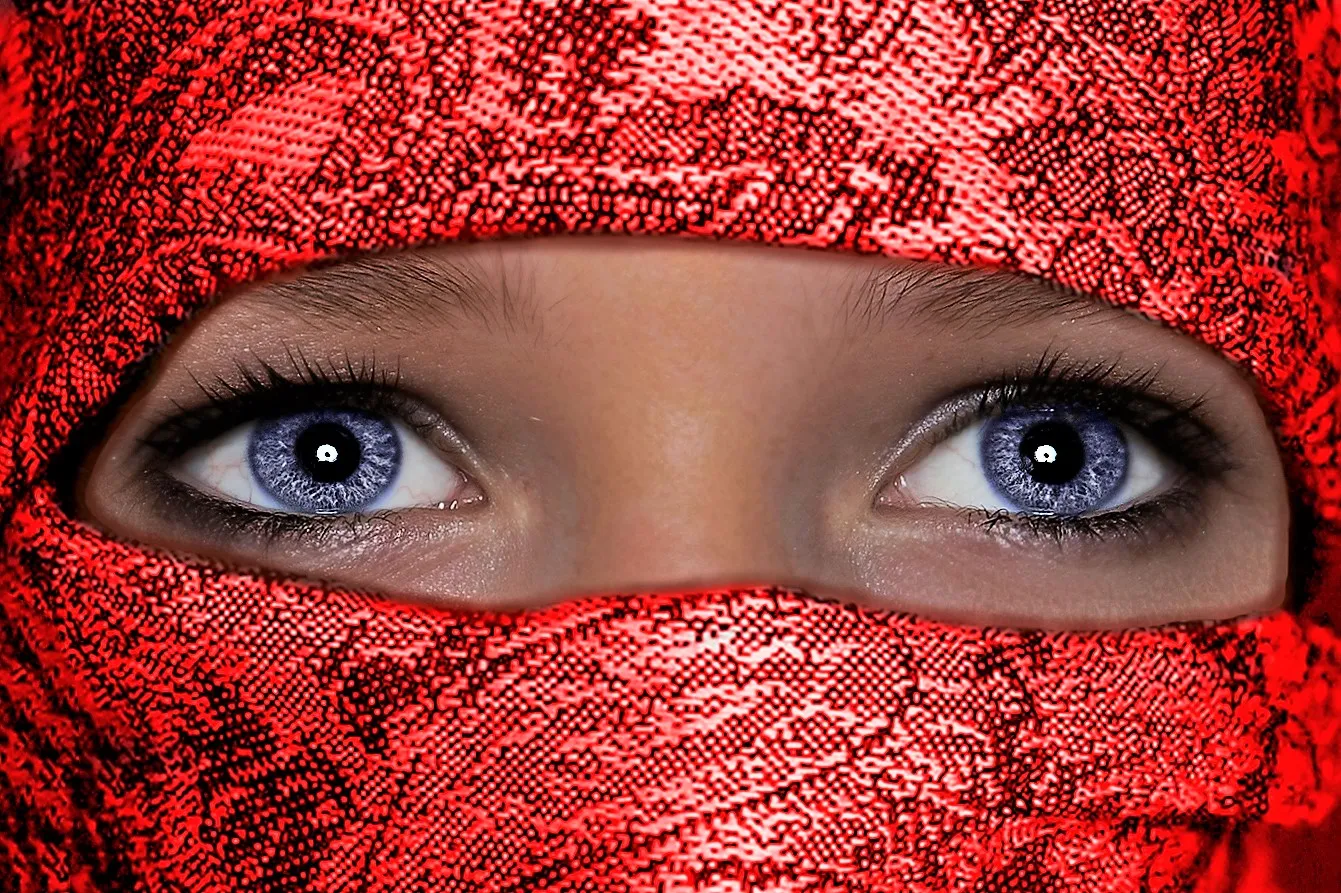
A popular choice for entrants of this round was to focus on their subject's eyes or framing the face with a hood or shroud. This shot is the best example, from the choice of colour theme to precise compositional placement of the subject's facial features within the frame. Eye contact is often an important aspect of a portrait, however in this case it is the lack of such engagement which attracts, contrasting with the perpendicular arrangement to the camera of the nose and mouth.


This shot has a lovely airy feel to it, with an almost painterly quality. The use of the white material to create a neutral frame for the face, and the arrangement of almost all of the colour towards the centre of the composition draws the viewer towards the eyes. The subject's face almost appears as a canvas. An inspired concept.


Many of the images we received for this round were shot in a studio setting or under studio-type lighting. This shot stood out due to its contrast, detail and tight composition. The intense gaze of the subject draws the viewer into the image while the masterful control of light gradient brilliantly isolates the eye, for an almost abstract quality. A simple, clean image which perfectly meets the brief, while retaining a unique character.


When presented with a brief of close-up portraits, a lot of entrants reached for their telephoto lenses, but this image makes great use of a wideangle perspective. While care must be taken when shooting portraits with ultra-wide lenses, one is used here to give the subject context and show off the environment. The reflections in the glasses add an extra dimension and the challenging lighting is well controlled.


Many portrait photographers never think to capture negative emotions on camera. This shot is honest, natural and creates an instant connection with the subject. There is a great narrative here, told through excellent composition and with simple yet effective lighting. The choice of monochrome removed any distracting colour casts and allows us to focus on the detail. An incredibly powerful and emotive image.
Brief
See more contest details
Portraits are one of photography’s most accessible endeavours, as we all have a wealth of subjects around us. We want to see your very best close-up portraits.
2,655 Images entered

Meet the expert judge


1,792 Photographers
165,700 Ratings


