

This shot is a bit of 'grower' - the more you look at it, the more you appreciate it. It is thoughtfully composed and the timing and shutter speed are spot in, with the water trails adding texture and interest. The ledges help direct the viewer's eye through the shot and toward the sea stacks. The photographer could have processed the sky harder, making it appear darker and more dramatic. However, the more subtle, sensitive processing suits the scene well in my opinion. A really pleasing shot.

This is a really well executed shot. The vertical composition really places emphasis on the shapes and textures trapped within the ice. They provide flow and interest. The warm light striking the mountains contrasts neatly with the coolness of the foreground ice. Focus stacking has enabled the photographer to achieve front-to-back sharpness. A gorgeous image boasting compelling depth and beauty. Well done.


This is a Marmite image - you'll either love it our hate it. I really appreciate this image and the painterly effect the photographer has achieved (either by shooting a double exposure or maybe through ICM). When judging contests, I want to see innovation and creativity - and the soft pastel quality and simplicity of this image combine really well in my opinion.


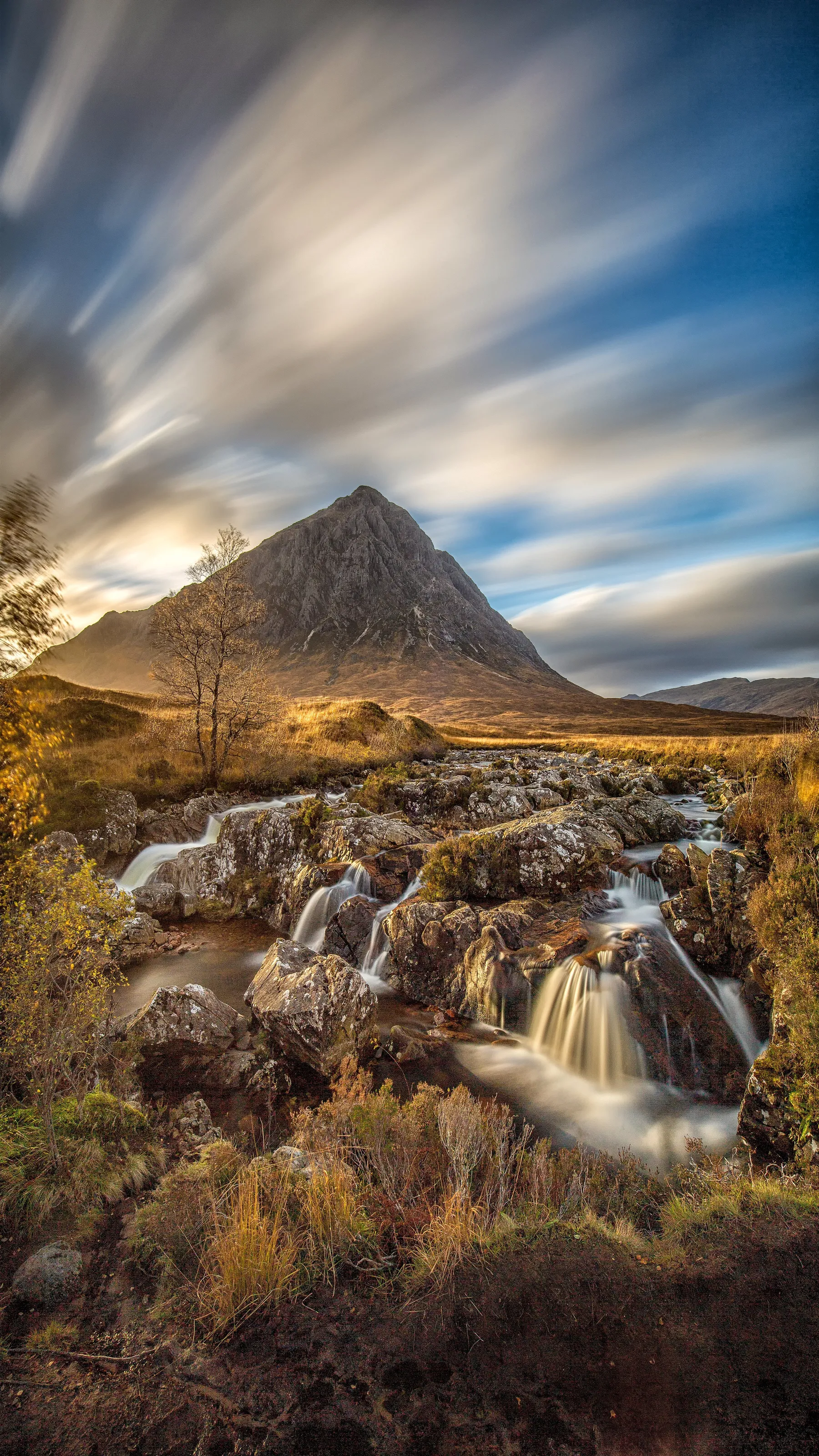
One of the benefits of turning your camera, and shooting in vertical format, is that you place emphasis on foreground detail and layers within the landscape. The photographer has done exactly that in this instance, using the water's motion, rocks and colourful reflections to lead the viewer's eye through the frame toward the mountains in the background. The early morning light is gorgeous, and the photographer has controlled exposure well. However, I might be tempted to just increase foreground exposure very slightly in post processing. A very natural looking landscape image.


I was surprised that there weren't more drone shots entered into this contest. This image really works well in my opinion. The s-shape of the road pulls the eye through the composition neatly. The autumnal trees provide a gorgeous, rich colour palette. To my eye, the image is a little dark. I would be tempted to increase exposure very slightly - maybe just a third of a stop.


I don't normally like 'selective colour' shots like this - I'm a bit of a traditionalist and don't do 'gimmicks'. But I agree with the photographer - the oranges do add something to this image. It is a slightly surreal result, and I'm sure not everyone will agree with this choice. But I love the misty trees and the path winding through the shot... and disappearing into the fog. The vertical composition suits both the trees and the path.The layers and tones are really pleasing. What do you think?


Often the key to a successful landscape photograph is mood and simplicity. The reeds framing the jetty help enhance the feeling of symmetry. A vertical composition often suits a strong lead-in line, like this wooden jetty. The black and white conversion - combined with the bright, high-key processing - help produce a fine-art result. A classy image.
Meet the expert judge


I know this little beach hut - overlooking Bamburgh beach. At first glance, it is a fairly unspectacular subject. However, one of the keys to being a good landscape photographer is being able to 'see' and pre-visual the shot. Shooting the beach hut in infrared has transformed the scene, with the marram grasses rendered white and appearing other-worldly. The vertical composition has allowed the photographer to make the most of the clouds, which really pop against the inky black sky. This is a fun and and striking image.


This image boasts great symmetry and mood. The conditions are gorgeous, with the mist and cloud providing softness. The warm glow in the sky adds contrast, depth, and draws the viewer's eye into the frame. The reflected posts are placed carefully - acting like stepping stones into the frame. The shot is sensitively and subtly processed too. Very nice.


This is an epic shot. That foregoing crack in the glacier provides the perfect entry point, and direct's the viewer's eye neatly from front-to-back. Technically, it is a very good shot - well composed, perfectly exposed, sensitively processed and, by stacking, the photographer has ensured the frame is bitingly sharp throughout. The image provides no real sense of scale, but the low perspective really gives that glacial wall a sense of dominance. A really strong shot.


1,337 Photographers

138,927 Ratings
3,809 Images entered


Landscape photography is not easy. To capture a truly unique image, you need to plan, prepare, and be patient. You also need a little slice of luck in my experience. However, you make your own luck by persevering - and putting yourself in good situations. Patience has paid off here, with the photographer rewarded with lovely conditions when the low clouds briefly cleared. The wintry conditions are beautiful. The composition is strong, with the frosty root directing the eye into the composition. The portrait format really suits this scene. Well done.


There is just so much going on in this image - the more you look at it the more you see. I think it is a really pleasing and interesting shot. The shadows are key to its success, helping draw attention to features, like the trees and livestock. I love the mixture of colours, shapes and detail. A visually compelling image - well seen and well captured.


I'm not normally a big fan of adding vignettes to files, but it works in this instance, enhancing the low-key processing. This shot is dark and moody. I suspect the photographer has worked the Raw file hard, dodging and burning to create drama and depth. Unsurprisingly, vertical composition tend to suit tall objects like trees, lighthouses and windmills. The photographer has composed this scene thoughtfully - and once again, simplicity is the key.
Brief
See more contest details
<b>All submitted images must be in portrait format ie taller than they are wide.</b> Usually when you’re deciding how to frame your landscape shot, the clue’s in the name. Landscape format every time! Not so here, where we’re exploring what can happen when landscapes are shot in portrait format. With their narrower profile there can be more of an emphasis on the layers in the shot, from foreground detail, through mid-ground features, to background horizon and sky. Depth of field can become more critical, as a portrait format often means there is more of the foreground included, and so a greater range of distances in the frame.


Attention to detail is key for successful landscape photography. The conditions are stunning here - congratulations to the photographer for braving the freezing conditions and shooting this iconic viewpoint. The composition is fine, but you can see another photographer's tripod leg creeping into frame in the bottom left corner, which ruins the shot. The leg could easily be cropped or cloned out of the image. Remember to give your eye time to explore the frame fully for unwanted distractions like this.


