
I loved this image. Like another image in this contest, this was an amazing capture of words that sends a societal message about homelessness. The wherewithal you had to compose and shoot this image when you did is such an amazing talent. Timing - it's something that makes all street photographers great at what they do. The composition of this image is fantastic. The eye is drawn first to the sign "Bristol Waste" and then travels up the cart to the gaze of the man. Our eyes follow this psychic line from the man's gaze to the sleeping homeless man. This visual journey keeps us in this loop between the garbage man's gaze, the homeless man and the sign continually reinforcing the message.


What first drew me into this image was the lovely use of chiaroscuro. The lights and darks across the scene created such a feeling of depth that it felt much like a movie still. What I found equally interesting was the posture of the homeless man. The fact that he is dark and unrecognizable speaks to a larger metaphor about homelessness in general. The man with the suit on that is staring at the homeless man is equally intriguing, moving, light toned and recognizable. His posture is straight and erect, contrasting with the man on the ground. What's also interesting is that he seems to have a dilemma as he stands and looks from one side and then another and what's even more telling, his hands are in his pockets - a symbol that he's not extending them to help the homeless man on the ground.


At first glance, this image was a man sitting on a sidewalk between two signs. I thought the message might be trite, but the more I looked at the image, the more I respected how difficult it would be to find a homeless person sitting perfectly equidistant from a trash can between these two words that probably represent two nouns that most wouldn't associate with a homeless person. The image has immense depth and meaning and the composition is symmetrical, incredibly balanced, almost as if the subject were posed perfectly and purposefully. The juxtaposition of those two words and this man have a ton of meaning and send a powerful and timely message about society's priorities.


What drew me into this image was the beautiful use of contrast as a compositional element. The hat of the man, contrasting with the background brings me into the image and then once I'm there I see the open garbage can lid. This lid contrasts beautifully with the man's hat. But there's also a similarity to the form which deepens the narrative. Because the garbage can lid looks like the man's hat, it causes me to create parallels between them. Symbolism like this is such a great technique in visual storytelling.


The subject of this photo is fascinating and is an excellent choice for a homeless portrait. I would love to see more images of this man. I think he would make an interesting series. What I really enjoy about this image is that you SHOW what it's like to be homeless and give us an idea about how the homeless community survives. The bike, and the rail upon which the bike leans both guide our gaze to the man. As soon as our gaze gets to him, we follow his gaze and the line of his arm down to the fire that he's making. The backlight on the man's back and head are beautiful.


The reason I chose this image as first was the light and the subject, two elements I find crucial to effective storytelling. The light is absolutely exquisite and I don't often see homeless children, they are usually accompanied by a protective parent. The impact of this child's gaze is also powerful as it meets the gaze of the viewer and holds it. It forces a dialog. A dialog that has to happen to inspire change. It's interesting that I generally don't appreciate photos of children as much because I think they are interesting simply because they are children and prey on our emotions. This photo is quite different. Well done.

There is so much going right in this image, the more I looked at it the higher it went up the ranking scale. At first glance, I wrote it off as an old man feeding pigeons, which is quite cliche in large cities. But then the emotional volume of the image began to increase. I saw the single pigeon in flight. I saw the other perched on the cart staring into the man's bag. Then I saw a man, who probably has a difficult time feeding himself, feeding an innumerable group of other living things. It almost reminded me of a biblical parable about feeding the multitudes with five loaves of bread and two fishes. The composition is compelling and the rule of odds, the three subjects, the bird in flight, the man and the bird on the cart also help the image sing. Well done.
461 Images entered


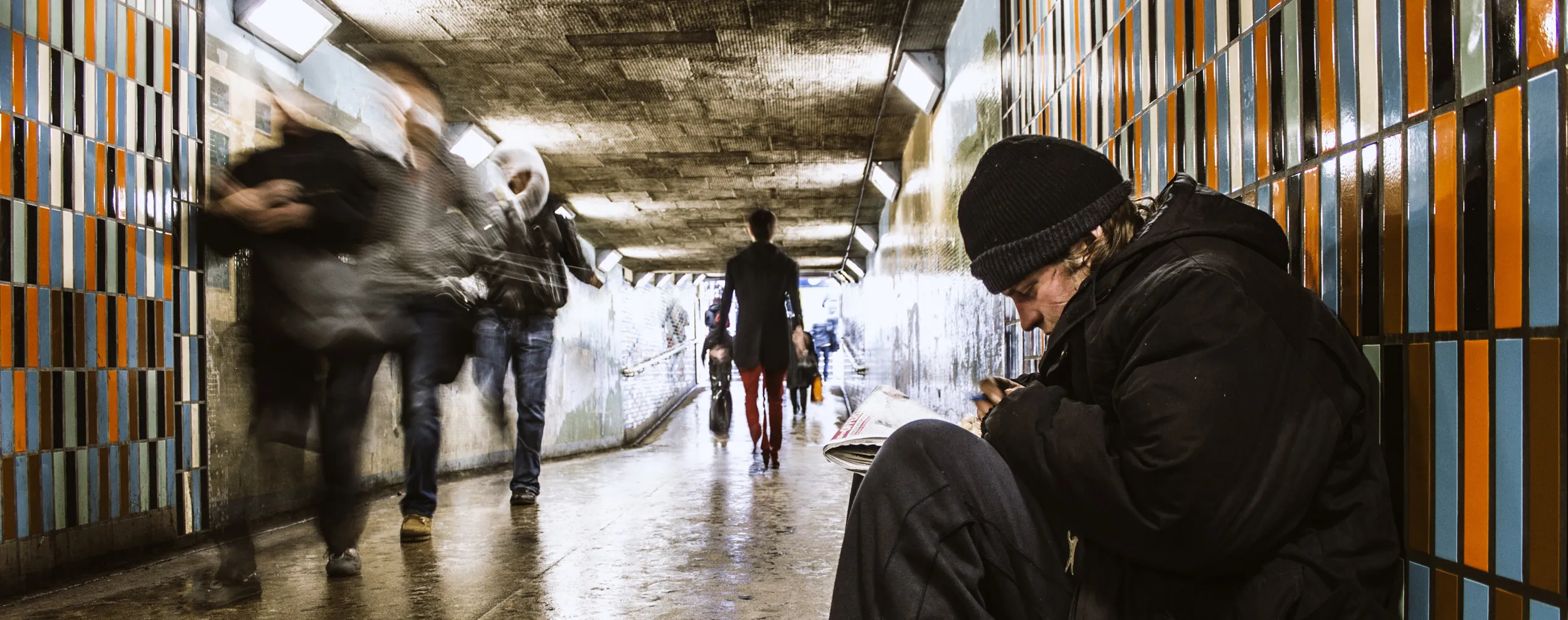
The one aspect of this image that created visual interest was the contrast and the exquisite use of highlights and shadows to craft a sense of depth. The scene has foreground elements, the center of interest, and background elements that all aid in this sense of depth. The way you used extrusive time (long exposure) also gives another sense of contrast between the moving and the still. The image has such an intense quality to it (I believe mostly achieved by the contrast) that I find it hard to avert my gaze. Well done.


I really loved this image. I'm such a dog fan and am very pro animal. I really had to fight my feelings and try to see this in an objective way where I could evaluate the image without a personal bias. The composition is phenomenal, the arabesque that the dogs make coming from the bottom left diagonal is such a nice contrast with the straight lines of the background. This motion leads us through the visual journey in a compelling way. The old bike is just enough of a hint of humanity to let us know that there are people involved with these animals at some point. It's such a peaceful feeling and gives a contrast to the situation the dogs find themselves in.


This is such a powerful image of a mother and her children. The texture is fantastic and the black and white really works here and causes us to focus on shape, form, texture and expression. The fact that the mother is making eye contact with the viewer is such a powerful moment and establishes a defiant and intimate connection. The way her children swirl around her creates a circular composition that ends in the mother's gaze and that gaze comes right back to us, the viewers. The image reminds me of the iconic image from the Great Depression by Dorothea Lange called "Migrant Mother." Excellent work.


461 Photographers
46,282 Ratings


Meet the expert judge


I appreciate your willingness to get out and photograph homelessness. I like your composition and use of the bench as a leading line. I have a couple of suggestions that might help you when photographing the homeless. The first is to get up close and personal. Use a wide angle and get close and intimate with the subject. Photographing the homeless with a long lens shows that you'd rather not get involved with the subject. This will help the viewer feel like we're more intimate as well. Also, try to photograph the subject doing something besides just sitting there. We see this kind of thing all the time. Show us something we don't see. Lastly, I would try to avoid using selective colour to draw attention to elements in an image. You can use camera techniques like depth of field, composition, contrast, etc. to direct our eye.

I appreciate your willingness to get out and photograph homelessness. I appreciate how you filled the frame and your use of depth of field to help isolate the subject from the background. I do have a couple of suggestions that might help you when photographing the homeless. The first is to get up close and personal. Use a wide angle and get close and intimate with the subject. Photographing the homeless with a long lens shows that you'd rather not get involved with the subject. This will help the viewer feel like we're more intimate as well. Also, I would try to avoid photographing the homeless showing them in a negative or humorous light. Photographing a homeless man scratching his crotch is an example of this.

I like this image and found your use of depth of field nice. I also really appreciate that you're photographing in a way where you make a connection with your subject. I would suggest a couple of ways you could improve this image, especially as it relates to homeless photography. Unless the sign says something incredibly funny or mind blowing, I tend to see images of homeless subjects that are sitting around holding a sign to be ordinary. This is generally what we see them do. Strive for something outside the ordinary. I would also suggest using a wide angle and getting close to your subject. This allows you to actually establish a dialog with them, you get more intimacy and the viewer feels like we're right there with you. Shooting the homeless with a long lens is similar to how photographers shoot wildlife.


There is so much going right with this image. I really enjoy the fact that you got up close and personal with your subject. This shows a willingness to engage your subject and become interested in them. That courage paid off with this photo. The texture on the man's face is fantastic and the black and white choice helps us to focus solely on shape, form, texture and expression. The only reason this photograph didn't score higher was that I found the pose of the homeless man to be a little cliche. That and there is some brightening by the man's hat that was done in post to help with the separation with the background. This doesn't look very organic. A better option would be to move the man to a brighter background or move yourself.


I really enjoy this image as a stand alone piece. I think the composition is interesting. There is an interesting narrative about the image and I enjoy the shallow depth of field that solely focuses on the hat. With the lights and the darks it almost looks abstract. The only problem I had with the image was that it was in a homeless contest. Just this hat, asking for money, reduces homelessness into a symbol – a symbol that means that homelessness is all about people asking for a handout. The image doesn't convey any more depth than that and I think that's where the image fell short. I'm looking for complex narratives that show emotion and convey something we haven't seen before.


Brief
See more contest details
There are millions of people in the world with no regular home (a 2005 report by the United Nations put the number at around 100 million). This challenge is an opportunity to explore and raise awareness around this issue from a documentary photographer’s perspective. Have your work judged by Aaron Draper, creator of the acclaimed *Underexposed* photo series on homelessness.


